The NFA suppressor tax is gone. As of January 1, 2026, the $200 federal tax stamp on suppressors is history — zero dollars. The One Big Beautiful Bill Act (H.R. 1), signed by President Trump on July 4, 2025, eliminated the $200 making and transfer tax on suppressors, short-barreled rifles, short-barreled shotguns, and AOWs (Any Other Weapons).
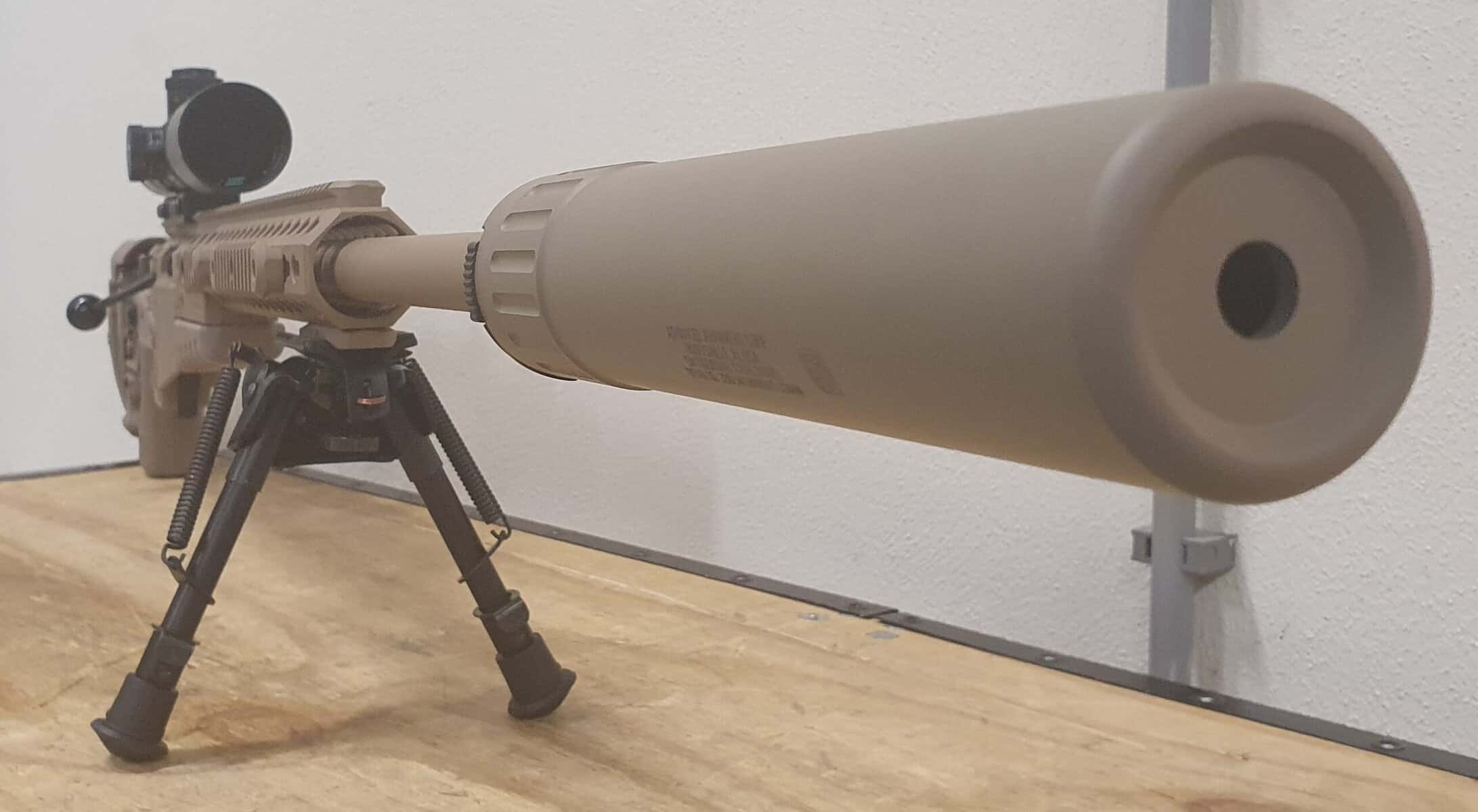
If you've ever priced a suppressor and winced at tacking $200 onto the cost — plus months of waiting — this changes the math considerably. But "the tax is gone" doesn't mean "anything goes." The regulatory framework is still intact, your state law still matters, and there are things you need to understand before heading to your dealer.
Let me break it down.
The NFA Suppressor Tax: A Quick History of How We Got Here
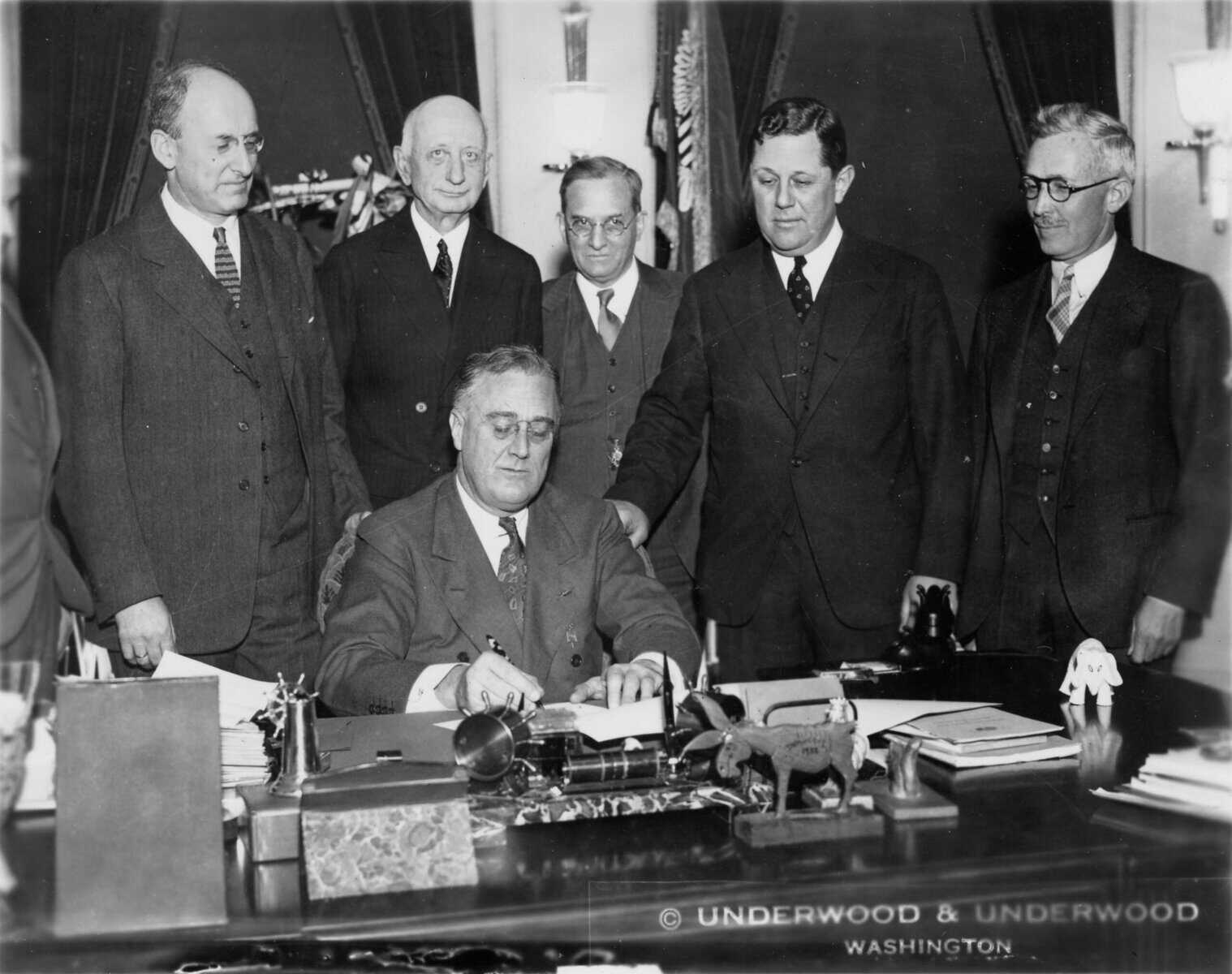
The National Firearms Act of 1934 placed suppressors under the same regulatory umbrella as machine guns, short-barreled rifles, and short-barreled shotguns. The $200 tax — which sounds modest until you realize that was roughly $4,800 to $4,900 in today's dollars — was designed to be prohibitive. In 1934, that was roughly a third the cost of a new Ford. The intent was simple: make it so expensive that ordinary people wouldn't bother.
Why suppressors? Blame Hollywood, mostly. The idea that a suppressor turns a gunshot into a quiet "pfft" was already baked into popular culture by the 1930s, and legislators ate it up. Suppressors got lumped in with machine guns as dangerous "gangster weapons," despite the fact that they're fundamentally a hearing protection device and nothing more.
For decades, the $200 NFA suppressor tax combined with the lengthy approval process functioned as a de facto ban for average gun owners. The tax didn't adjust for inflation, so as $200 became less punishing over time, more people started buying suppressors — but the process was still a deterrent. You were looking at months of wait time, fingerprinting, photographs, background checks, and a $200 fee on top of the suppressor's purchase price. A lot of people just said "forget it" and kept doubling up on ear protection at the range instead. Some went down the illegal "solvent trap" route — a path that was never worth the risk and now makes even less sense.
What Exactly Changed
The One Big Beautiful Bill Act (H.R. 1, 2025) zeroed out the $200 federal excise tax on the manufacture and transfer of NFA items including suppressors. The effective date was January 1, 2026.
Here's what's critical to understand: the NFA suppressor tax was eliminated, but suppressors are still NFA items. They were not deregulated. They were not removed from the NFA registry. The $200 fee is gone, but the regulatory framework — Form 4, background check, registration, photos, fingerprints — remains in place.
There is an active legal challenge to this. The Silencer Shop Foundation, along with Gun Owners of America, Gun Owners Foundation, SilencerCo, Palmetto State Armory, the Firearms Regulatory Accountability Coalition, and others — including 15 state governments that joined as plaintiffs in August 2025 — has filed suit (Silencer Shop Foundation v. ATF, 6:25-cv-00056) in the U.S. District Court for the Northern District of Texas arguing that without the tax revenue underpinning the NFA, the regulatory framework for these items may lack constitutional justification. As of February 2026, both sides have filed motions for summary judgment, but no ruling has been issued yet. That case will take time to work through the courts, and in the meantime, you still follow the existing process.
How to Buy a Suppressor Now
The buying process looks like this in 2026:
- Find your suppressor. Shop around — we have a complete first-time buyer's guide with specific recommendations. Prices range from under $300 for budget models to well over $1,000 for premium cans. The elimination of the NFA suppressor tax makes the entry-level end of the market much more accessible.
- Buy it through a Class 3 / SOT dealer. You cannot buy a suppressor directly as a consumer. It must transfer through a dealer with the appropriate Federal Firearms License and Special Occupational Tax status. Dealers like Silencer Central handle the entire process, including shipping directly to your door in most states.
- Complete ATF eForm 4. This is the transfer application. You'll submit it electronically through the ATF's eForms system. You still provide passport-style photos, fingerprints, and all the usual identifying information.
- Pass the background check. The ATF runs a thorough background check. This hasn't changed.
- Wait for approval. Here's the good news and the bad news. Before the tax elimination, eForm 4 processing times had dropped dramatically — individual applications were averaging around 10 days as of mid-2025, and trust applications around 23 days. The bad news: the ATF processed approximately 150,000 eForm submissions on January 1, 2026 alone. Normal daily volume was around 2,500. That's a 60x spike. Despite the surge, reported approval times as of early February 2026 remain fast — averaging around 2–5 days for individuals and 3–5 days for trusts, though the ATF has cautioned that the ongoing volume increase may temporarily extend processing times.
- Pick up your suppressor. Once approved, your dealer will transfer it to you after completing a standard Form 4473.
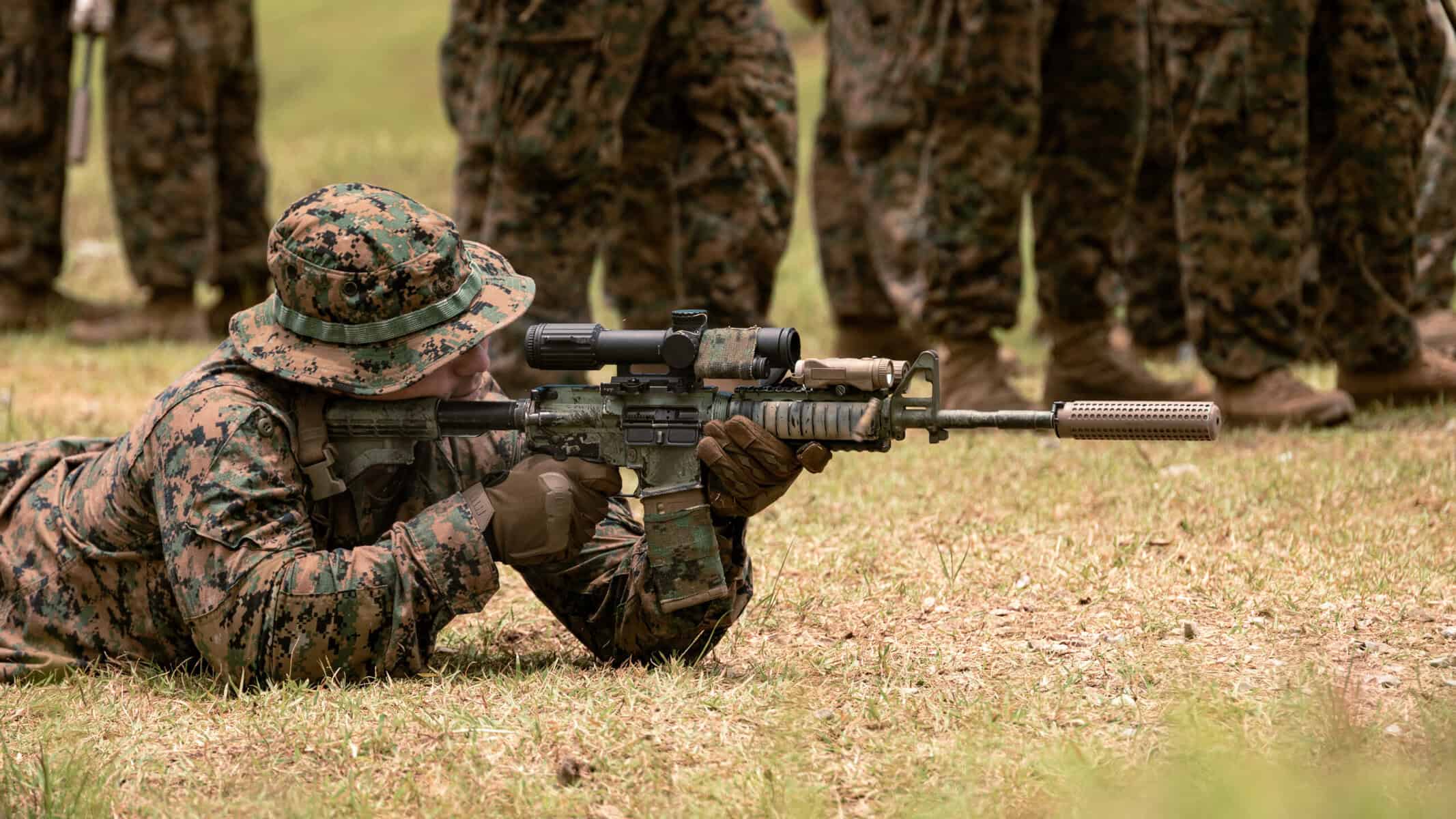
You can still use an NFA trust if you want multiple people to have access to the suppressor, or you can file as an individual. The trust has some advantages for estate planning and shared use, but it's no longer the only way to avoid a CLEO (Chief Law Enforcement Officer) notification issue — that was resolved with ATF Rule 41F back in 2016.
What This Means for the Market
The numbers are already telling the story. The ATF saw that 150,000-submission day on January 1. The NSSF called 2026 "the year of the suppressor." Industry projections suggest suppressor sales could double compared to 2024–2025 volumes.
To put the market in context: there were approximately 4.4 million registered suppressors in the United States as of January 2025, representing a 1,450% increase since 2011. The suppressor market was estimated at $820 million in 2024 — and that included $156 million in tax stamp payments that no longer exist.
The biggest growth segment will be at the lower price points. A $300 suppressor used to cost you $500 all-in with the tax stamp — that's a 66% government markup. Now it's just $300 plus your dealer's transfer fee and whatever your state charges. That changes the calculus for a lot of first-time buyers. If you're deciding between a multi-caliber can or dedicated suppressors for each caliber, the $0 tax stamp makes dedicated cans a much easier choice than when each one cost $200 extra.
Manufacturers are scaling up. Expect more competition, more variety, and eventually downward pressure on prices as the market expands. This is a good thing for consumers.
Your State Law Still Matters
Here's where people get tripped up. The federal NFA suppressor tax is gone, but suppressors remain illegal for civilian ownership in eight states plus the District of Columbia:
- California
- Delaware
- Hawaii
- Illinois
- Massachusetts
- New Jersey
- New York
- Rhode Island

None of these states have changed their suppressor laws in response to the federal tax elimination as of February 2026.
If you live in one of these states, the federal change means nothing to you until your state legislature acts. And if you're in Connecticut, note that while ownership is legal, the state bans suppressor use for hunting — so check the specifics.
The remaining 42 states allow civilian suppressor ownership, but regulations vary. Some states have additional permit requirements or restrictions on where and how you can use a suppressor. Look up your state law before you buy. The American Suppressor Association maintains a state-by-state guide that's worth checking.
Suppressors Should Never Have Been Stigmatized
This is the part that frustrates me. A suppressor is a hearing protection device. That's it. The idea that it's a sinister tool of assassins comes entirely from movies and television. It has no basis in reality.
A suppressed centerfire rifle still registers above 130 decibels. That's louder than a jackhammer. A suppressed handgun is typically in the 120–140 dB range — which is still the loudness of an ambulance siren. A suppressor reduces the sound of a gunshot by 20–35 decibels on average, bringing many firearms down to or near the 140 dB threshold that's generally considered the boundary for hearing-safe impulse noise. (For independent, standardized sound data on specific suppressors, PEW Science is the gold standard.)
In other words: a suppressed gun is still loud. Everyone within earshot knows you fired a shot. What a suppressor does is reduce the peak sound pressure enough that you're less likely to suffer permanent hearing damage. That's the entire point.
The rest of the world figured this out a long time ago. In the United Kingdom, suppressors are actively encouraged for hunting and can be purchased with less paperwork than the firearms themselves. In Finland, suppressors are essentially unregulated — any licensed hunter can walk into a shop and buy one over the counter. In Norway, any holder of a valid firearms certificate can buy a suppressor over the counter with no additional license or permit required. Across Scandinavia, it's considered discourteous and irresponsible to hunt without a suppressor because of the noise impact on neighboring properties and wildlife.
Meanwhile, in the United States, we spent 90 years treating them like machine guns because Hollywood told us they make guns silent. They don't. They make guns slightly less deafening. The gap between perception and reality has been enormous, and the NFA suppressor tax exploited that gap for decades.
The Bottom Line
The elimination of the NFA suppressor tax is a straightforward win for responsible gun owners and for hearing health. It removes a financial barrier that was explicitly designed in 1934 to be prohibitive, and it brings U.S. suppressor policy one step closer to the common-sense approach that most of Europe adopted long ago.
The process still requires patience — you'll fill out the paperwork, submit your prints and photos, and wait for ATF approval. But without the $200 toll, the bar to entry is meaningfully lower. If you've been on the fence about buying a suppressor, this is the time.
Check your state law. Find a reputable dealer — Silencer Central is one of the largest in the country and handles the entire process from purchase through delivery. Pick a suppressor that fits your use case, understand how different mounting systems work — whether that's a rimfire can for plinking, a rifle suppressor for hunting, or a pistol can for home defense. Protect your hearing. It's legal, it's smart, and it's about time.
If you know of any forums or sites that should be referenced on this listing, please let us know here.