
The Remington 700 is the best-selling bolt-action rifle in American history. Since its introduction in 1962, more than five million have left the factory floor. It has served as the foundation for two of the United States military's primary sniper weapons systems, anchored a multi-hundred-million-dollar aftermarket industry, and established the dimensional standard that virtually every modern bolt-action rifle either copies or consciously departs from. No other bolt-action design comes close to that record.
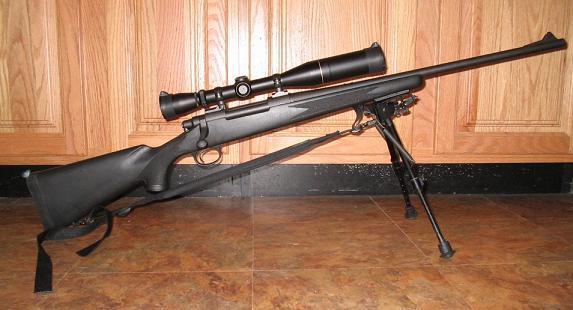
But the Remington 700 is also a rifle with a complicated legacy. Its trigger mechanism was the subject of one of the longest-running product liability controversies in American firearms history. Its parent company collapsed into bankruptcy twice. And today, the rifle that defined an era faces stiffer competition than at any point in its sixty-plus-year production run. The full Remington 700 history encompasses genuine engineering brilliance, military distinction, corporate negligence, and an aftermarket ecosystem that may ultimately prove more durable than the company that started it all. Our coverage of The History and Legacy of the Remington Arms Company adds to this story.
Before the 700: The Models 721 and 722
The Remington 700 did not appear from nowhere. It evolved directly from a pair of rifles that Remington introduced in 1948: the Model 721 (long action, for cartridges based on the .30-06 case family) and the Model 722 (short action, for cartridges like .222 Remington and .300 Savage). Our guide to The .222 Remington Cartridge offers more on this subject.
Both rifles were the work of Merle "Mike" Walker, a Remington engineer who was also a competitive benchrest shooter. That dual identity — industrial engineer and serious marksman — shaped every decision Walker made. He understood what manufacturing processes could deliver at scale, and he understood what made a rifle accurate. The 721/722 reflected both of those priorities.
Walker's design departed from the prevailing American bolt-action paradigm established by the pre-war Winchester Model 70. Where the Model 70 used a Mauser-derived controlled-round-feed extractor, a machined steel floor plate, and an elegantly contoured receiver, the 721/722 used a push-feed bolt with a recessed face, a stamped trigger guard and floor plate assembly, and a plain cylindrical receiver. The Winchester was a craftsman's rifle. The Remington was an engineer's rifle.
The aesthetics were uninspiring, but the accuracy was genuine. The cylindrical receiver was inherently stiff, resisting the flex that degrades consistency. The recessed bolt face enclosed the cartridge head, improving headspace uniformity. Walker's trigger mechanism — adjustable for pull weight, creep, and overtravel — could be set to break cleanly enough to satisfy a benchrest competitor. For the first time in American manufacturing, an affordable mass-produced hunting rifle could deliver accuracy approaching that of custom builds.
The 721 and 722 sold well through the 1950s, but they lacked the refinement that Winchester buyers expected. Remington needed a rifle that shot like a 721 and looked like a Model 70. The Model 700 was the answer.
1962: The Remington 700 History Begins
Key Design Features
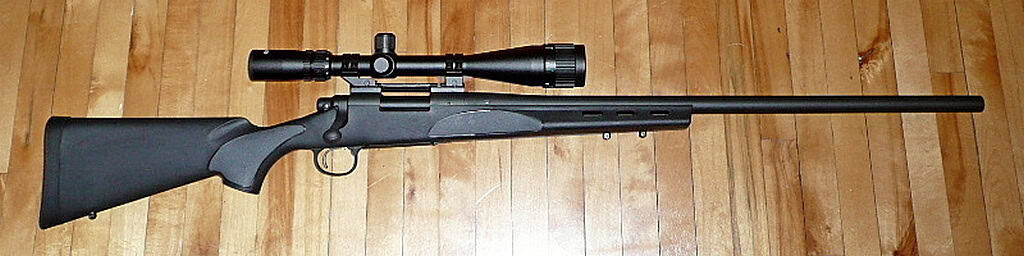
Cylindrical receiver. The 700's receiver is essentially a round tube with minimal material removed for the loading port. This geometry distributes stress evenly and resists bending. Stiffness translates directly to consistency, and consistency is accuracy.
Two-lug bolt. Two symmetrically opposed locking lugs on the bolt head engage machined recesses in the receiver ring. The design is mechanically simple, extremely strong, and straightforward to manufacture with consistent lockup from one rifle to the next.
Recessed bolt face. The bolt head encloses approximately 0.125 inches of the cartridge head, containing the case in the event of a case head failure and contributing to uniform headspace.
Push-feed extraction. A small, spring-loaded extractor snaps over the cartridge rim as the bolt closes, rather than controlling the round from the moment it leaves the magazine (as in Mauser-type controlled-round-feed systems). Push-feed is less expensive to manufacture and, despite decades of debate, has proven entirely reliable in military and competition service.
The Walker trigger. At introduction, the Walker trigger was among the best factory triggers available. Adjustable for pull weight, creep, and overtravel, it could deliver a crisp, predictable break that contributed meaningfully to the rifle's accuracy potential. The trigger would later become the subject of intense controversy, but in 1962, it was a genuine competitive advantage.
ADL and BDL
The original 700 was offered in two grades. The ADL (A-grade, Deluxe) was the economy model, with a blind magazine (no hinged floor plate) and plainer wood. The BDL (B-grade, Deluxe) was the flagship: hinged floor plate, skip-line checkering, higher-grade walnut, and a polished blue finish. The BDL became the default American hunting rifle for a generation of shooters.
Initial chamberings included .222 Remington, .222 Remington Magnum, .243 Winchester, .270 Winchester, .280 Remington, .308 Winchester, .30-06 Springfield, and 7mm Remington Magnum. Remington marketed the 700 with an accuracy guarantee, and the rifle delivered.
Military Adoption: The M40 and M24 Sniper Systems
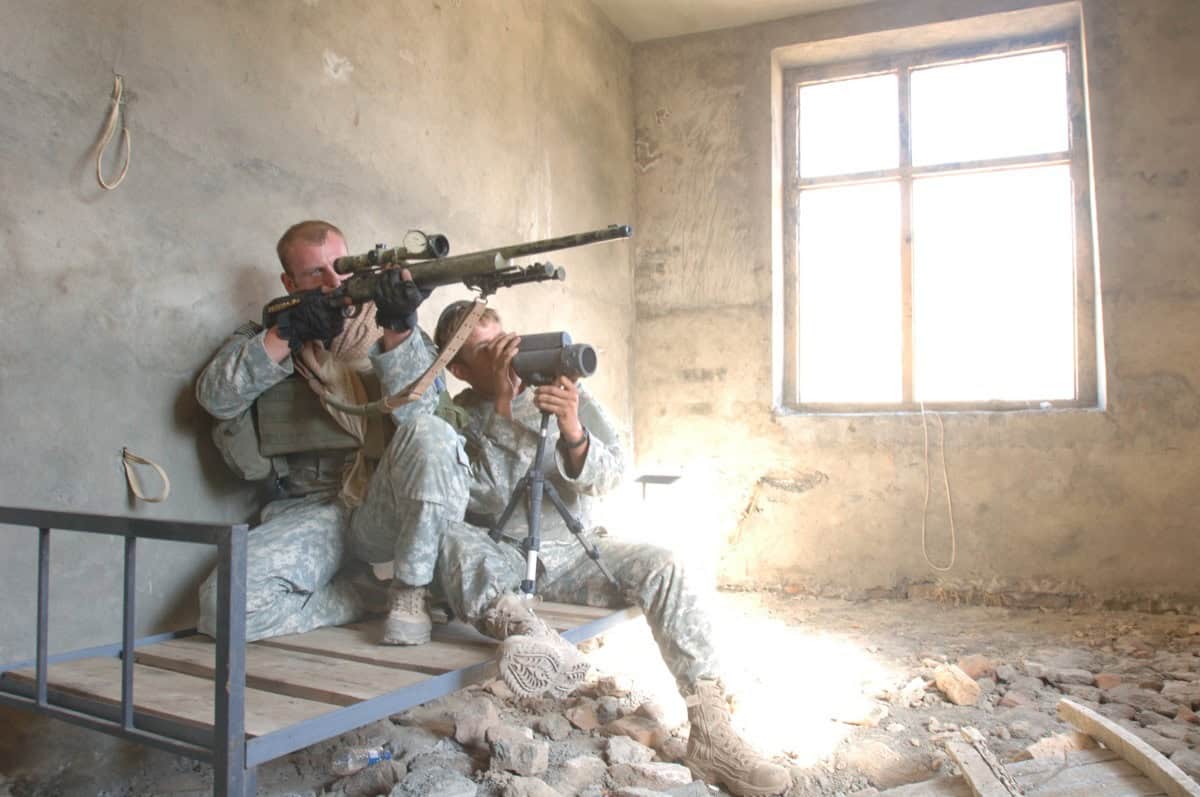
If commercial success established the Remington 700's reputation, military adoption turned it into an American institution. The United States Marine Corps and the United States Army both chose the 700 action as the foundation for their primary sniper weapons systems — and both services used those systems for decades.
The M40: The Marine Corps Sniper Rifle
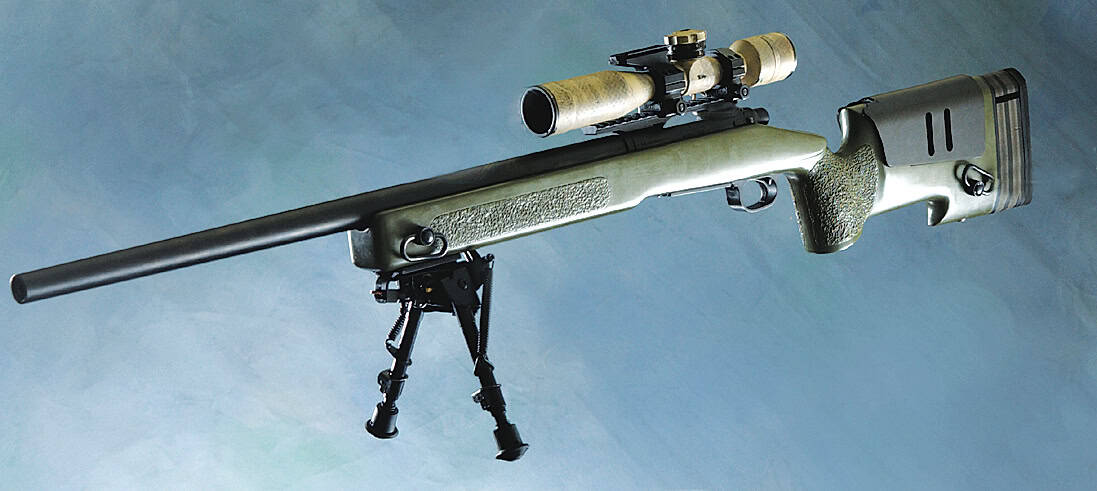
The original M40, adopted in 1966, was essentially a Remington 700 BDL with a commercial Redfield 3-9x scope mounted in Redfield Junior rings and bases. It was a simple, practical weapon that gave Marine snipers a tool capable of consistent precision at ranges far beyond standard infantry engagement distances.
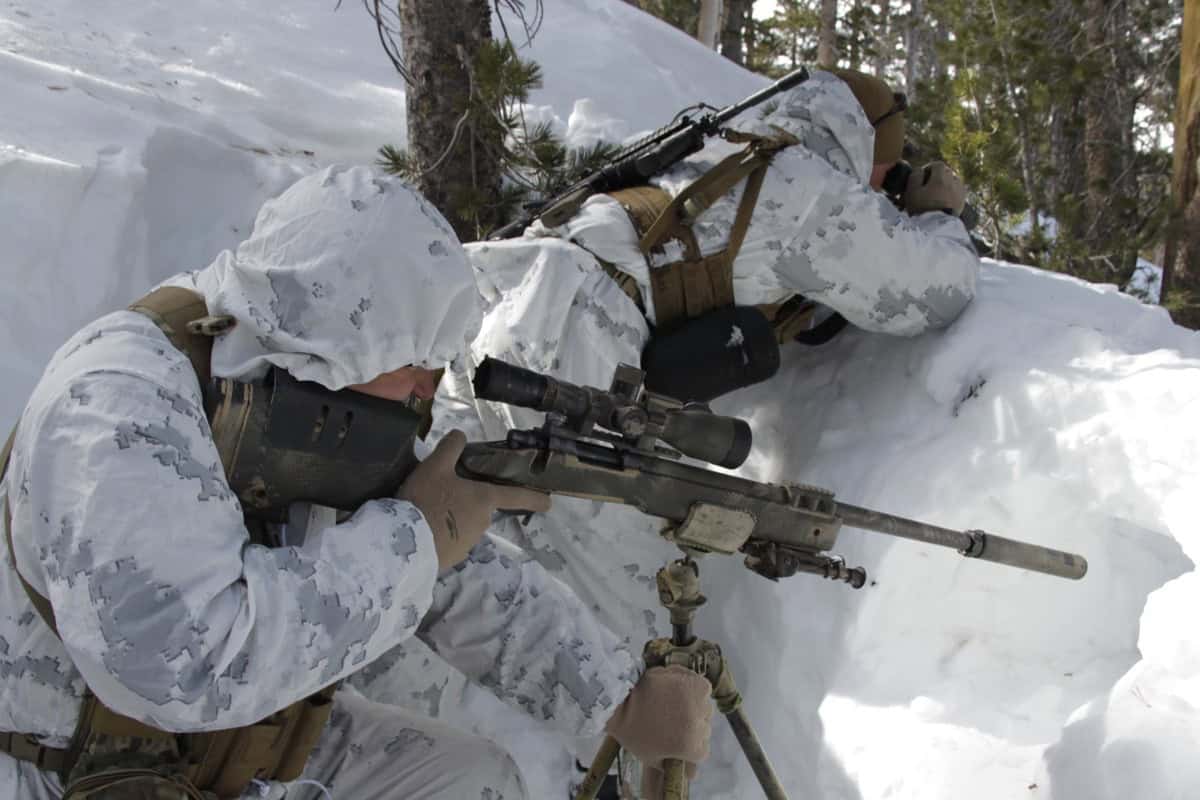
The M40 became famous in the hands of Marine snipers like 
The M40 has been continuously upgraded through multiple variants:
- M40A1 (1977): Replaced the wooden stock with a McMillan fiberglass stock, upgraded the optic to a Unertl 10x fixed-power scope, and used a heavy-contour match barrel. This version served through the 1980s and 1990s.
- M40A3 (2001): Introduced a McMillan A4 stock with aluminum bedding block, Schneider or Krieger match barrel, and Unertl 10x scope with improved mounts.
- M40A5 (2009): Added a detachable box magazine, suppressor-ready threaded muzzle, and Schmidt & Bender 3-12x50 PM II scope.
- M40A6 (2014): Further refinements including a Nightforce ATACR scope and continued use of premium match barrels.
The M24 Sniper Weapon System: The Army's Choice
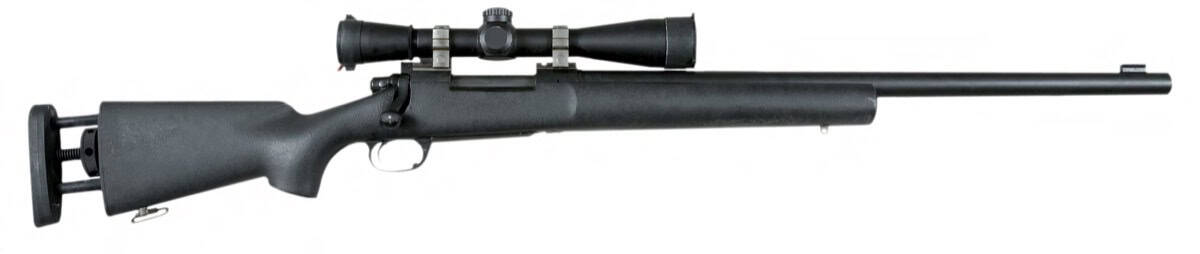
The reason was forward-thinking.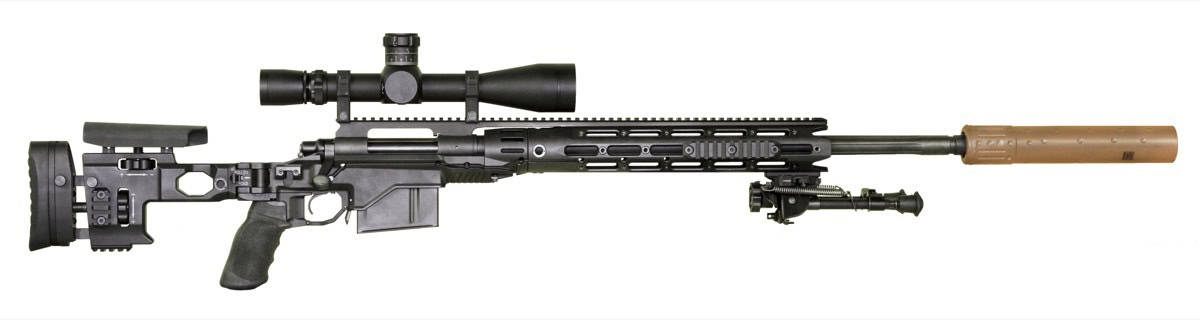
The original M24 system included:
- Remington 700 long action
- Leupold Mark 4 M3A 10x40mm fixed-power scope
- HS Precision stock with aluminum bedding block
- 24-inch heavy-contour barrel
- Five-round internal magazine
- Deployment kit with cleaning equipment, data book, and ancillary gear
International Military Adoption
The Remington 700 action has been adopted by military and law enforcement agencies in dozens of countries. Variants based on the 700 have served with the Israeli Defense Forces, the Australian Defence Force (as the SR-98, built by Australian International Arms), various NATO members, and numerous law enforcement tactical teams worldwide. The 700's combination of accuracy, reliability, and massive aftermarket support made it the default choice for any organization building a precision rifle program on a budget.
Remington 700 Production Variants: Six Decades of Evolution
Since 1962, Remington has produced the Model 700 in dozens of variants spanning the spectrum from economy hunting rifles to purpose-built precision platforms. Understanding the major variants provides a map of American shooting culture over six decades.
The Sendero
Introduced in the 1990s, the Sendero was Remington's answer to the growing interest in long-range hunting. It featured a 26-inch heavy-contour barrel, a composite stock, and chamberings like .300 Winchester Magnum and 7mm Remington Magnum. The Sendero was not a target rifle, but it brought genuine long-range capability to the factory hunting rifle market.
The 700 Police and 700P
Remington's law enforcement models used heavier barrels, HS Precision stocks with aluminum bedding blocks, and tighter assembly tolerances than the standard commercial rifles. The 700 Police in .308 Winchester became the default law enforcement sniper rifle across the United States, and many agencies still use them today.
The 700 5R
Named for its five-groove, five-land rifling profile with slightly canted lands, the 5R borrowed barrel technology from military specifications. The canted-land design places the opposing groove opposite a land rather than another groove, theoretically reducing bullet jacket deformation and improving accuracy. Whether the 5R's rifling profile actually produces measurable accuracy improvements over conventional rifling is debated, but the rifles sold well among long-range shooters who wanted factory guns that approached custom-grade performance.
The 700 SPS (Special Purpose Synthetic)
The SPS replaced the ADL as the entry-level Remington 700. With a matte-finished barreled action in a synthetic stock, the SPS was priced to compete with the Savage Axis and Ruger American while offering the 700 footprint. It became the default "project rifle" — the affordable starting point for shooters who planned to upgrade the stock, trigger, and optics. An SPS in .308 Winchester or 6.5 Creedmoor represented one of the best values in bolt-action rifles for years.
The CDL (Classic Deluxe)

The 700 Long Range
Remington's 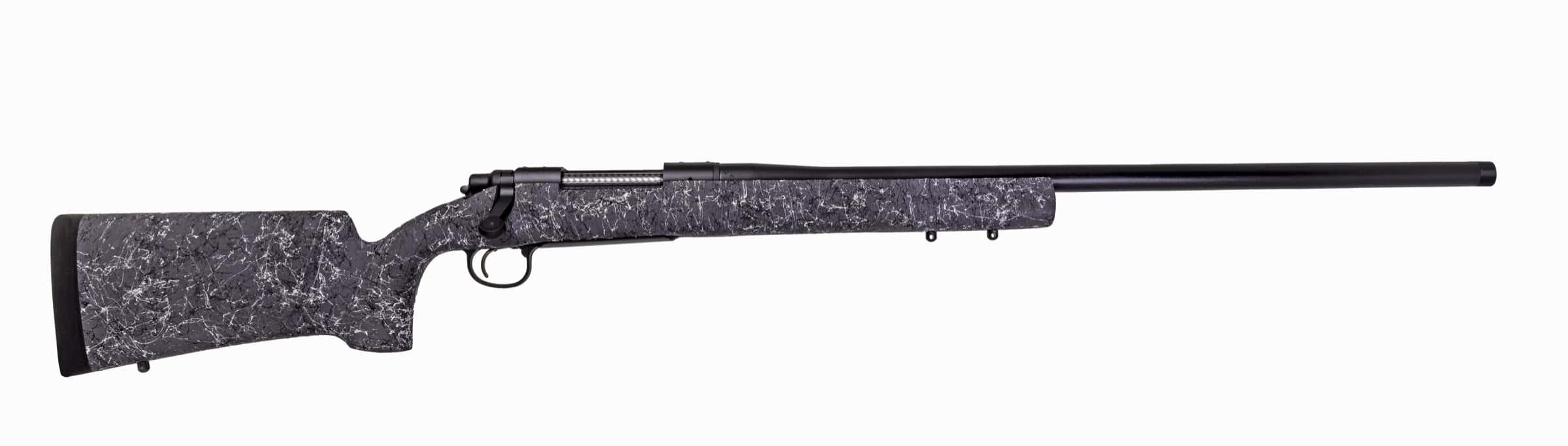
The Walker Trigger Controversy
No honest account of the Remington 700's history can omit the trigger controversy. It is a story about engineering compromise, corporate decision-making, and the tension between manufacturing economics and product safety.
The Walker trigger mechanism, designed by Mike Walker for the 721/722 and carried forward into the 700, used a connector (sometimes called a "trigger connector" or "common fire control") between the trigger and the sear. Under certain conditions — accumulated debris, improper field adjustment, manufacturing variations in the connector, or combinations of these factors — the connector could fail to fully engage. When this happened, the rifle could potentially discharge when the safety was moved from "safe" to "fire," or when the bolt was manipulated, without the trigger being deliberately pulled.
The Scale of the Problem
Reports of unintended discharges with the Remington 700 began surfacing in the 1970s. Over the following decades, hundreds of incidents were documented in litigation, including cases resulting in serious injury and death. Plaintiffs' attorneys eventually compiled evidence of at least two dozen fatalities attributed to the trigger defect.
What Remington Knew
The most damaging revelations came from internal Remington documents disclosed during litigation and publicized by CNBC's 2010 investigative documentary "Remington Under Fire." These documents showed that Remington engineers had identified the trigger connector issue decades earlier. A proposed redesign — sometimes referred to as the "trigger block" or "Sear Safety" modification — would have eliminated the failure mode at a reported cost of approximately five and a half cents per unit. The redesign was rejected.
Internal correspondence suggested that Remington's strategy was to manage the problem through legal defense and public relations rather than engineering correction. Whether this characterization is entirely fair is debated — Remington consistently maintained that the trigger was safe when properly maintained and not subject to unauthorized adjustment — but the documentary evidence was damaging.
The Recall
In 2006, Remington introduced the X-Mark Pro trigger on new production rifles, which used a different design that eliminated the connector mechanism. Two separate corrective actions followed. First, Remington settled a class-action lawsuit over the original Walker trigger, offering free trigger replacements for affected rifles — a settlement, not a recall, covering potentially millions of firearms. Second, in 2014 Remington issued a formal recall of X-Mark Pro triggers manufactured between May 1, 2006 and April 9, 2014, after discovering that a bonding agent used in production could cause unintended discharges; that recall was expanded in 2018.
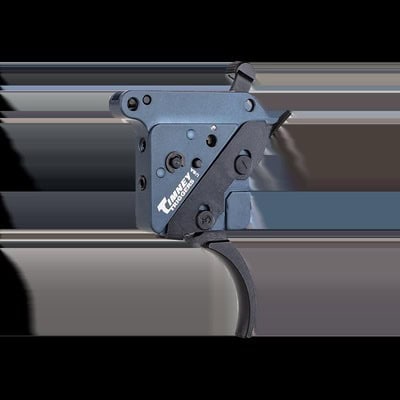
By 2018, many serious 700 owners had already replaced their factory triggers with aftermarket units from Timney, TriggerTech, Jewel, or Bix'n Andy. And the X-Mark Pro itself was not immune to criticism: quality control complaints about inconsistent pull weights and gritty feels dogged the trigger throughout its production life.
Lessons
The Walker trigger controversy does not erase the 700's achievements. It does, however, serve as a case study in how manufacturing cost pressures can conflict with engineering responsibility, and how a known defect can persist for decades when the economics of recall are weighed against the economics of litigation.
For modern 700 owners, the practical takeaway is straightforward: if your rifle has the original Walker trigger (identifiable by its two-position safety), either have it replaced under the recall program or install a quality aftermarket trigger. The aftermarket options are, in any case, substantially better than either the Walker or the X-Mark Pro.
The Remington 700 Aftermarket Ecosystem
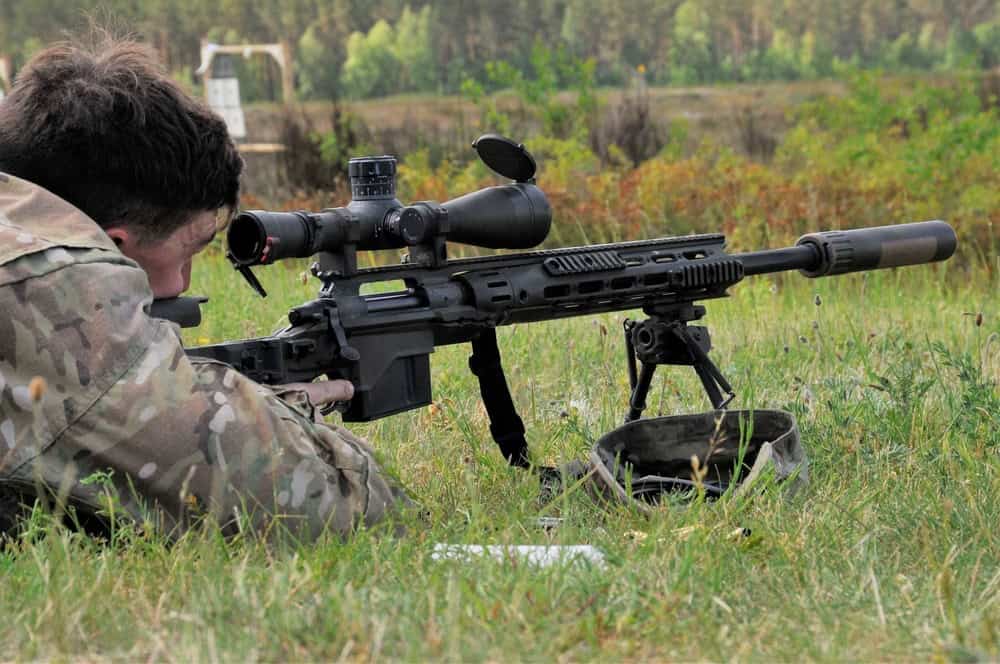
Triggers
Stocks and Chassis Systems
The range of aftermarket stocks and chassis systems available for the 700 is staggering. Traditional fiberglass and carbon fiber stocks come from Bell & Carlson, HS Precision, McMillan, and Manners Composite Stocks. The Sharps Bros Heatseeker is another modern chassis option worth considering. On the chassis side, MDT, Kinetic Research Group (KRG), Masterpiece Arms (MPA), Accurate-Mag, and XLR Industries all produce aluminum chassis systems that transform the 700 into a modular precision platform with adjustable length of pull, cheek height, and accessories rails.
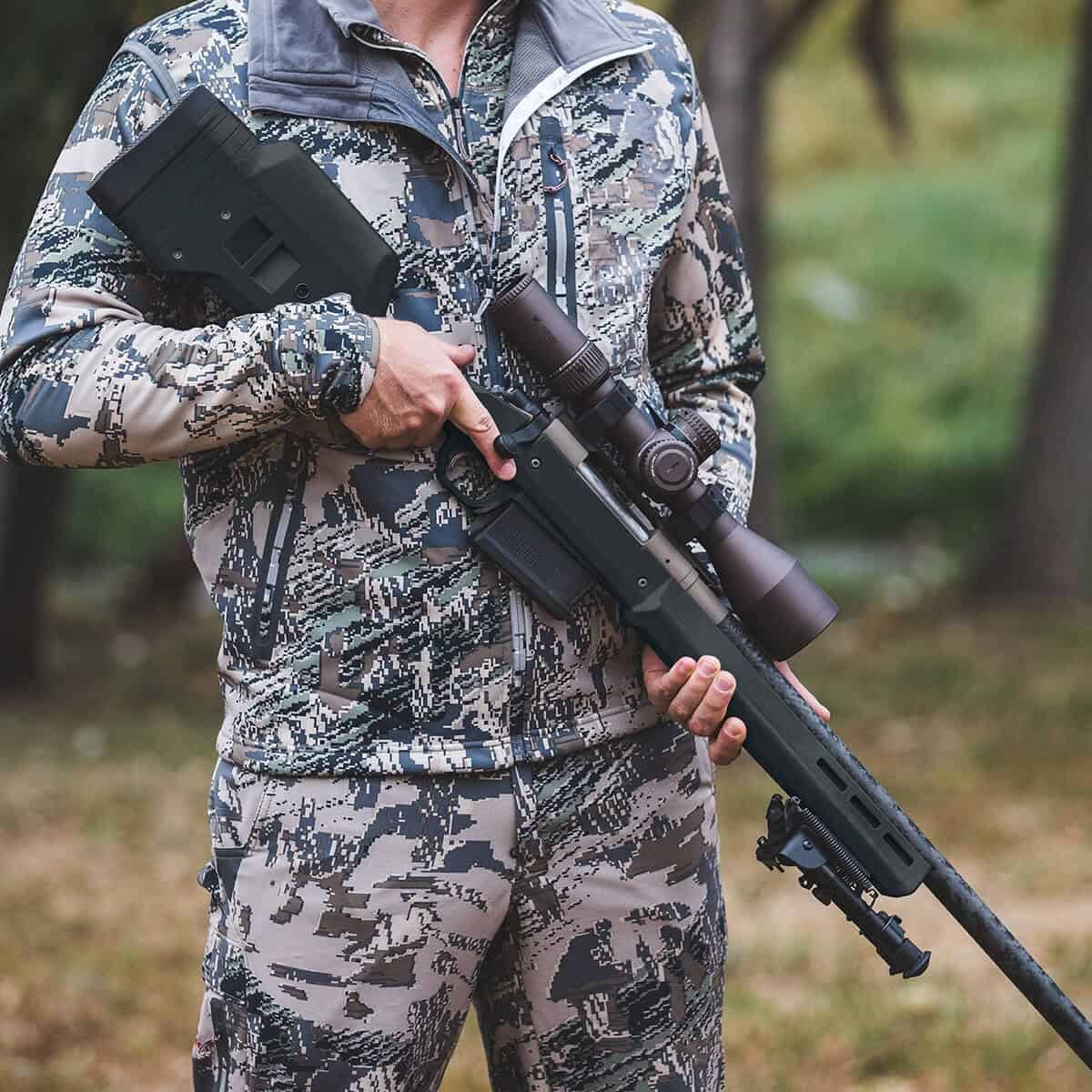
The MDT XRS chassis system offers a full-featured precision platform at a mid-range price point, compatible with AICS-pattern magazines and AR-style pistol grips. Check price on Amazon.

Barrels
Factory 700 barrels are adequate for hunting, but competitive shooters universally replace them with hand-lapped match-grade barrels from Bartlein, Krieger, Proof Research (carbon fiber wrapped), or Hawk Hill Arms. The 700's barrel thread specifications (1.062"-16 TPI for standard short actions) are an industry standard. Any competent gunsmith can swap barrels in an afternoon.
Bottom Metal and Magazines
The factory 700's internal magazine and trigger guard assembly have been supplanted by aftermarket detachable magazine systems from Accurate-Mag, Badger Ordnance, CDI Precision, and others. AICS-pattern detachable magazines became the standard for precision rifle competition, and the bottom metal systems that accept them are now considered essential for any serious build on a 700 action. The Model 700's chief rival has always been the Winchester Model 70, which we cover in The Winchester Model 70: Simple and Excellent.
Custom Actions: The 700 Footprint Endures
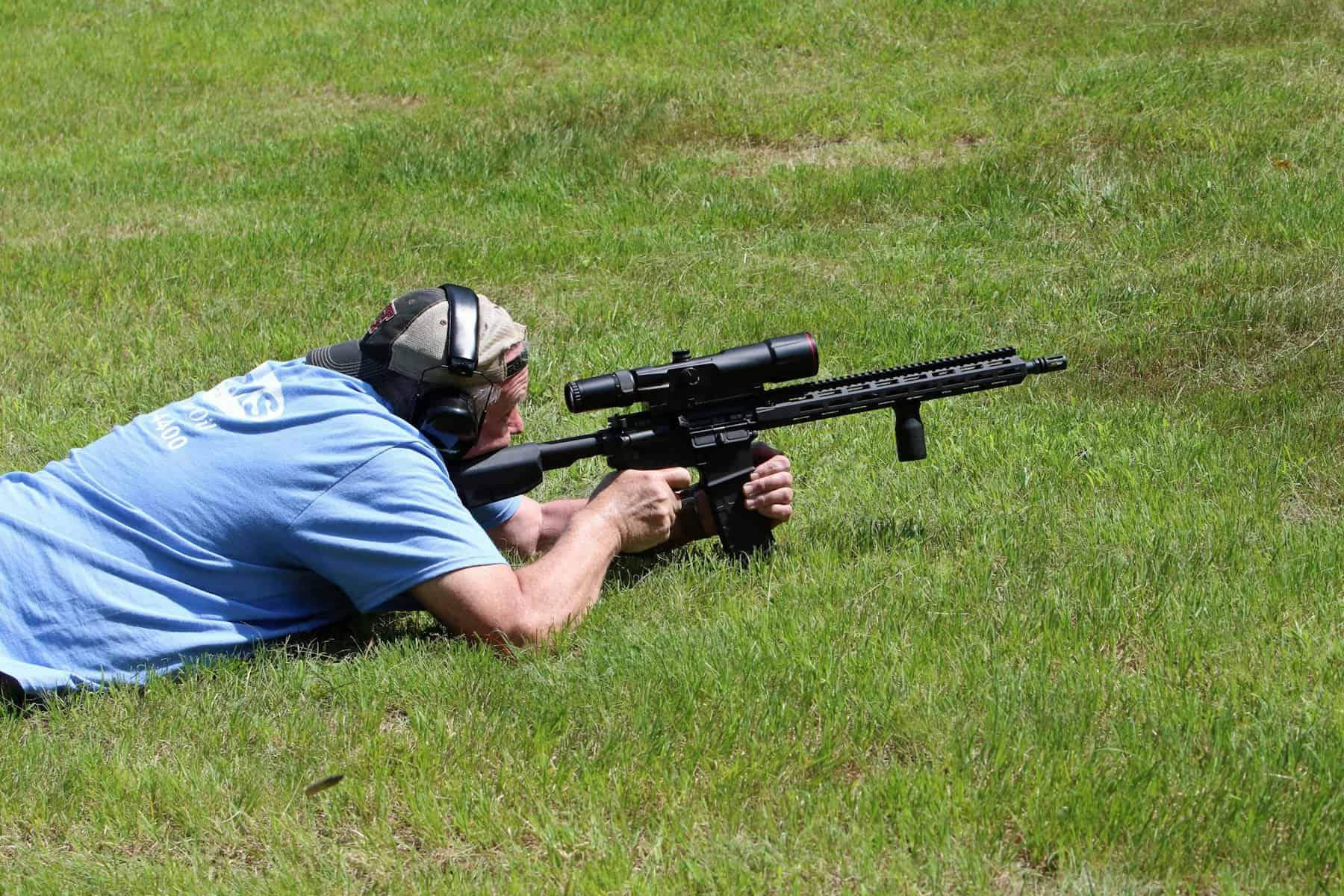
Defiance Machine produces the Deviant, Rebel, and Ruckus actions, widely used in PRS competition. These are what a Remington 700 action would be if it were manufactured one at a time with aerospace-grade CNC precision.
Bighorn Arms makes the TL3 and Origin actions, featuring integral recoil lugs and proprietary trigger compatibility.
Stiller Actions has produced 700-footprint actions for decades, including the Predator and TAC series favored by tactical shooters.
Curtis Custom (Axiom and Valor), Lone Peak Arms (Fuzion), Impact Precision (Terminus), and Zermatt Arms (RimX and Origin) all produce actions that maintain 700-footprint compatibility while delivering tolerances and surface finishes that factory Remington production never approached.
These companies exist because Walker established the right fundamental dimensions in 1948. Seven decades later, the best custom action makers in the world still build on his dimensional foundation.
The 700 in Competition
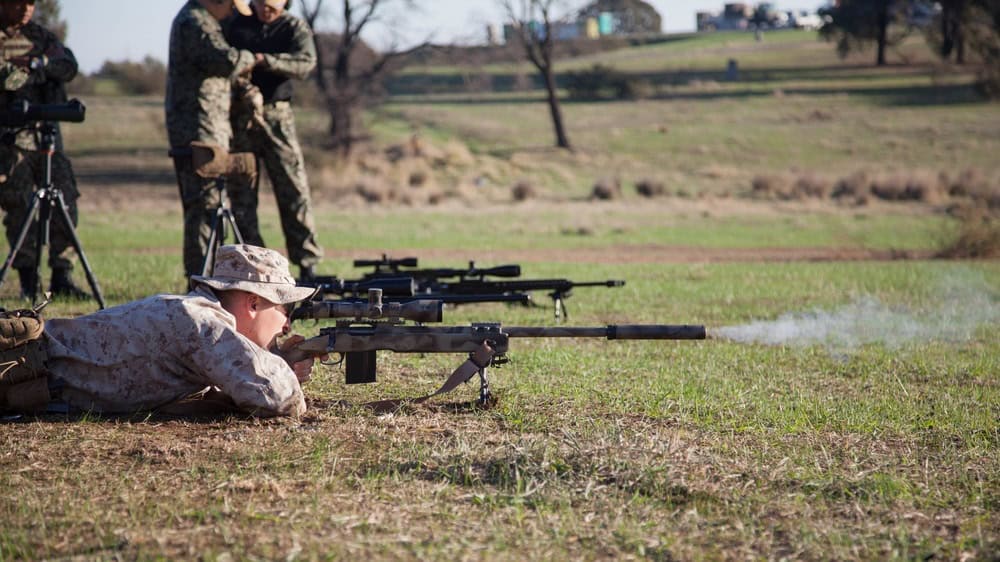
PRS matches require shooters to engage steel targets at distances from 100 to beyond 1,200 yards from improvised field positions — barricades, rooftops, tank traps, and whatever else match directors can devise. The rifles used are overwhelmingly bolt-actions, and for years the vast majority were built on 700-pattern actions.
In F-Class competition (long-range prone shooting at paper targets from 300 to 1,000 yards), the 700 action's inherent stiffness and vast aftermarket support have made it a dominant platform for decades. Factory-class benchrest shooting has also seen extensive 700 use, though the dedicated benchrest world increasingly favors purpose-built actions from Kelbly, Bat Machine, and Stiller.
Bankruptcy, RemArms, and an Uncertain Future
The Remington Arms Company, founded in 1816 by Eliphalet Remington in Ilion, New York, was one of the oldest continuously operating manufacturers in America. Its collapse was a cautionary tale in private equity mismanagement.
In 2007, Cerberus Capital Management acquired Remington through its Freedom Group holding company (later renamed Remington Outdoor Company). Under Cerberus's ownership, quality control deteriorated noticeably. Shooters reported rough finishes, inconsistent accuracy, poor trigger quality, and a general decline in the fit and finish that had characterized the 700 for decades. The financial engineering that loaded Remington with debt left little capital for manufacturing investment.
Remington filed for Chapter 11 bankruptcy protection in March 2018. The company emerged from bankruptcy later that year, but its financial condition remained fragile. In July 2020, Remington filed for bankruptcy again. This time, the company was broken up and sold in pieces.
The firearms manufacturing operation, including the Model 700, was acquired by Roundhill Group LLC, which operates as RemArms. The Ilion, New York factory initially continued production, though the workforce was drastically reduced. RemArms has pledged to restore quality and rebuild the brand, but the road is long and the competition has not been standing still.
The Competitive Landscape in 2026
The Remington 700 faces more credible competition today than at any point in its history.
The Bergara B-14, manufactured in Spain, uses a 700-pattern action built to tighter tolerances than late-era Remington production, at a comparable price. The B-14 HMR (Hunting & Match Rifle) has become one of the most popular factory precision rifles on the market.
The Tikka T3x, manufactured by Sako in Finland, is lighter, smoother, and arguably more refined than the factory 700, with excellent factory accuracy.
The Howa 1500 offers a well-made action at a budget price point, and its mini-action variants have found enthusiastic audiences.
The Savage 110 offers user-adjustable features like the AccuTrigger and AccuFit stock system that the factory 700 cannot match without aftermarket modifications.
And at the higher end, rifles from Christensen Arms, Seekins Precision, and Gunwerks offer factory-built precision that exceeds what Remington ever delivered from the factory.
Legacy of the Remington 700
The Remington 700's legacy is not diminished by its corporate troubles or the trigger controversy. Mike Walker designed an action so fundamentally sound that it became the dimensional standard for an entire industry. The M40 and M24 sniper systems built on that action served American military snipers for decades. The aftermarket ecosystem it spawned gave shooters unprecedented ability to customize and optimize their rifles. And the custom action makers who adopted its footprint have elevated bolt-action precision to levels that Walker himself might not have imagined.
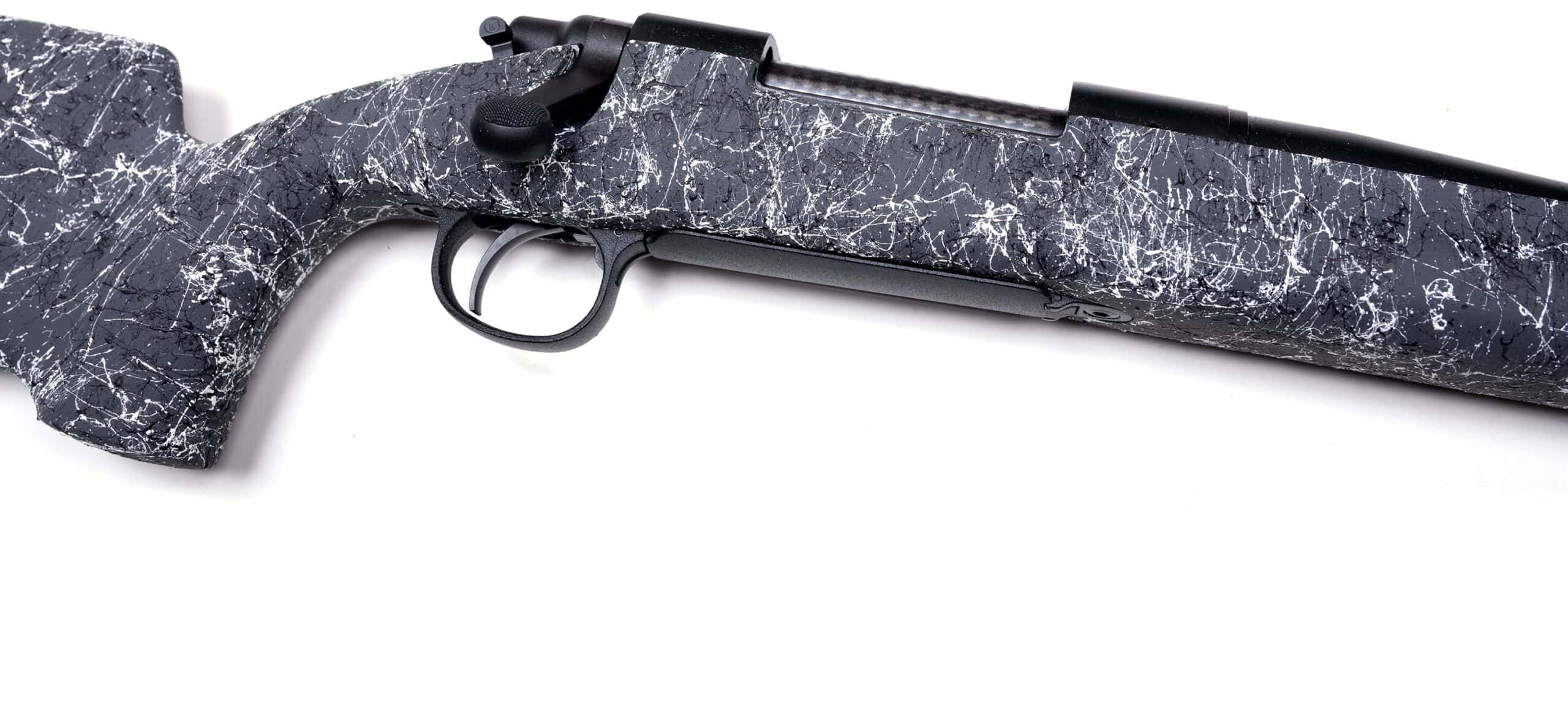
The Remington 700 is not just a rifle. It is the foundation on which American bolt-action shooting was built. That foundation remains solid, even if the company that laid it has stumbled. The design endures because the design was right.
Building a 700 Today
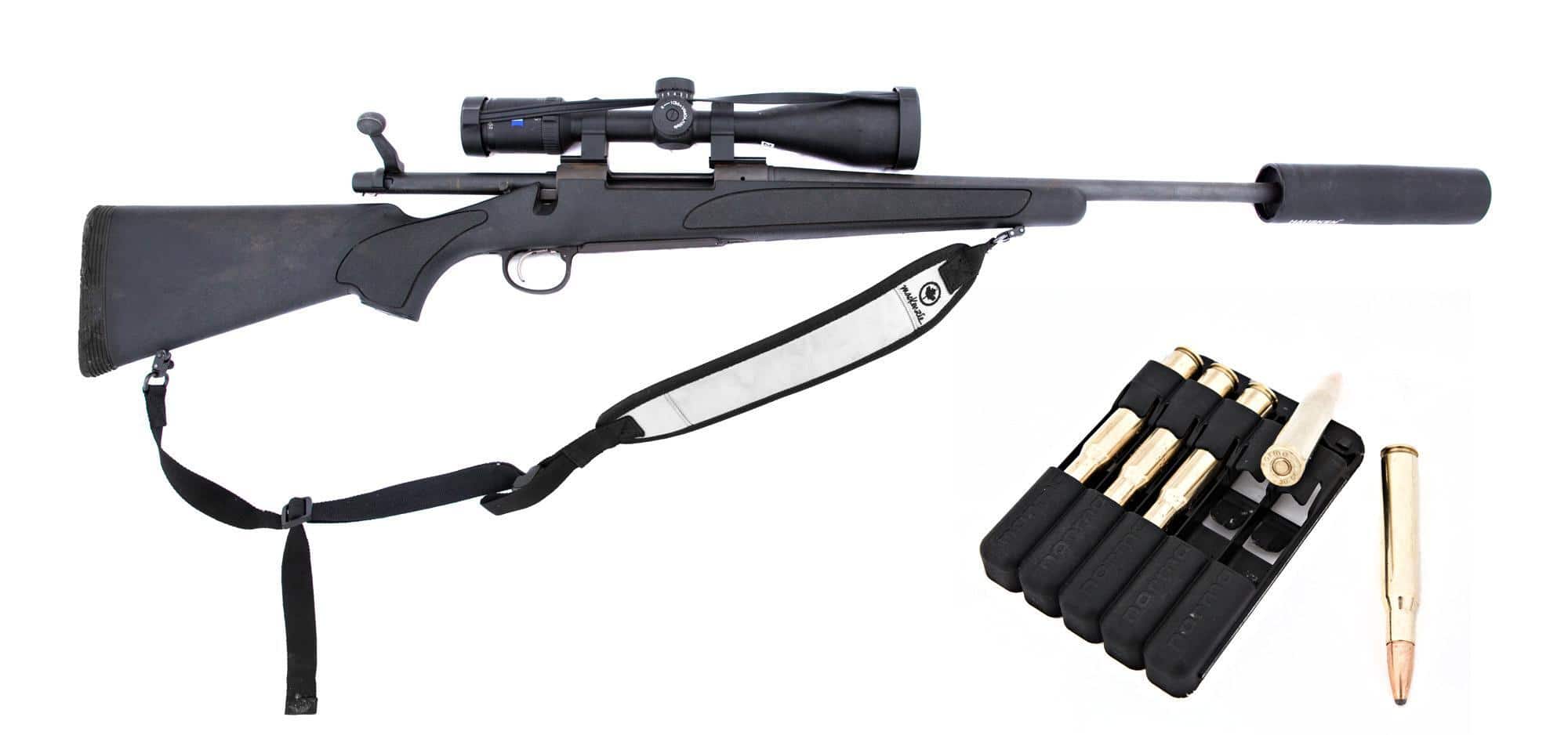

Browse the full range of Remington 700 aftermarket parts and complete rifles at Brownells.
Sources and Further Reading
- Remington Arms Company historical records and catalogs (1948-2020)
- "Remington Under Fire," CNBC investigative documentary (2010)
- U.S. Marine Corps sniper weapons program historical documentation
- U.S. Army M24 Sniper Weapon System technical manuals
- Precision Rifle Series competitive results database
- National Shooting Sports Foundation (NSSF) industry data
- The Remington 700 Performance Tuning Manual by David Watson — comprehensive guide to modifying and accurizing Remington 700 rifles
Recommended Books
Go deeper on the Remington 700 and precision rifle shooting:
-

History of Remington Firearms: The History Of One Of The World's Most Famous Gun Makers
Purchase on Amazon -

Long Range Shooting Handbook: The Complete Beginner's Guide to Precision Rifle Shooting
Purchase on Amazon -
Sale!

Precision Rifle Marksmanship: The Fundamentals: A Marine Sniper's Guide to Long Range Shooting
Original price was: $29.99.$24.88Current price is: $24.88. Purchase on Amazon -
The Precision Rifle Handbook: Advanced Solutions for Long-Range Shooting
Purchase on Amazon -

The Remington 700: A History and Users Manual
Purchase on Amazon
If you know of any forums or sites that should be referenced on this listing, please let us know here.